
Holiday home electricity in Spain: how to stop paying for an empty house
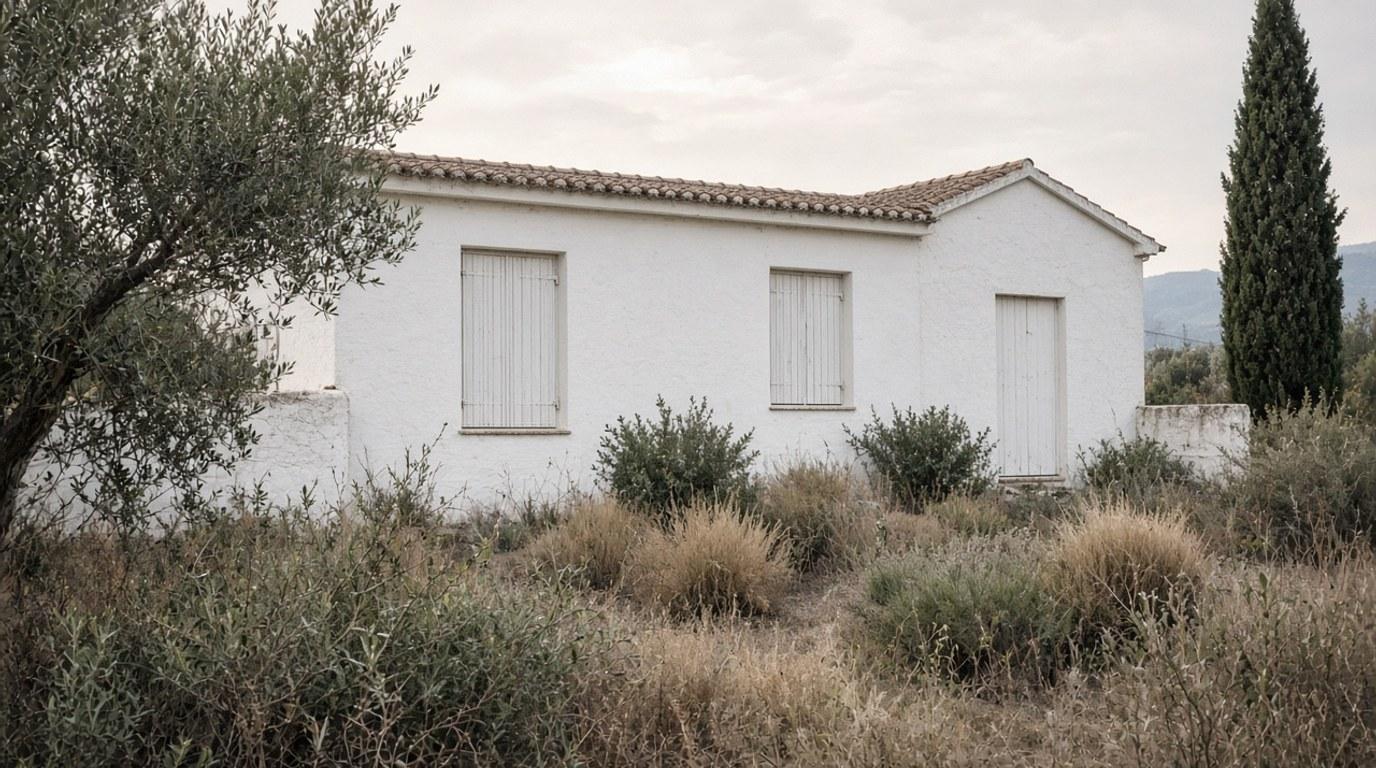
If you own a second home in Spain, the winter bill can look out of proportion to the energy you used. That is often not a billing error. When the house is empty, consumption can be tiny, but contracted power (potencia contratada) and other standing items still accrue every day. The question is not “which supplier is cheapest in general”. It is how to stop paying for capacity and a tariff shape the empty house does not need.
This page is for non-resident owners, second-home owners and part-year expats, including on the Costa del Sol and in the islands. WeSwitch will not invent a typical saving. Any change has to be checked against that property’s bill.
Why the bill stays high when nobody is there
A Spanish domestic bill has an energy term and a power term. The energy term tracks the kilowatt-hours you use. The power term is a daily charge for the kW you have contracted, whether or not anyone is in the house. Meter rental, taxes and any optional extras also continue.
A villa left at a high potencia “just in case” of air-conditioning, a pool pump or an electric heater can therefore produce a noticeable bill through months of near-zero use. A short summer occupancy does not cancel those winter standing charges.
Some empty-house consumption is real, not standing charges: a fridge left on, an alarm, a router, a pool system on a timer, or a dehumidifier. Those kWh still matter, but they are usually small next to an oversized potencia charged every day of an eight-month absence. It is worth separating the two on the bill: kWh in the empty months versus the daily power charge.
If the bill also looks high in the months you are there, the cause may be the tariff shape, the energy price, or both. Those are separate from the empty-house problem. Start with Spanish electricity bill explained and a bill upload. Use a bill from that CUPS, not from your main residence.
If a bill is estimated because nobody was there to give access, or because a reading was missed, the kWh can also look odd. Check whether the invoice is marked as an actual or estimated reading before you decide the house used more energy than it could have.
Should you lower potencia, or disconnect?
Lowering contracted power is usually the first thing to examine. If the house never trips the meter on a typical stay, the contracted kW may be higher than you need. If you only use heavy loads in a short season, it can still be worth reducing the power for the rest of the year and planning around that limit when you visit — for example by not running the oven, the air-conditioning and a pool pump at the same moment. The CNMC says contracted power may be modified every twelve months, although distributors often allow more than one change, especially for an increase. Reducing power in low voltage usually costs only the actuación/enganche fee of 9.04476 € plus VAT, independent of how many kW you drop (Orden ITC/3519/2009 Annex V, as set out in the CNMC consumer guide).
The request has to come from the contract holder, or someone authorised to act for them. If the bills still go to a previous owner, or to a relative who is not the holder, fix the name on the contract first. That is a cambio de titular, described in the moving-in guide.
Access tariff 2.0TD allows two contracted powers: one for punta and llano, and a different one for valle (CNMC Circular 3/2020, article 7.4). That is sometimes used for overnight electric-vehicle charging. It is not a default recommendation for a second home. For a house that is empty most weekdays, a higher valle power is only useful if you actually have a night-time load to justify it. (Circular 3/2020)
Disconnecting the supply (a baja) stops the ongoing retail contract, but it is not a free pause button. Restarting later is a reconnection or alta. A valid electrical certificate (CIE or boletín) may be required; the CNMC notes that a boletín more than 20 years old may have to be renewed. Ask the distributor what they need in your case. Regulated reconnection fees can include derechos de acceso, extensión and actuación/enganche (Orden ITC/3519/2009 Annex V, as set out in the CNMC guide; the low-voltage amounts, without VAT, are 19.703137 €/kW, 17.374714 €/kW and 9.04476 € per action). For a house you visit every winter or summer, a lower potencia and a better-fitting tariff are often less painful than a full disconnection. For a property that will sit empty for years, a baja may still be the cleaner option.
Do not assume the previous owner’s potencia was carefully set. Many second homes simply inherited it.
Which tariff suits low, seasonal usage?
A tariff with a low standing power price and a simple energy price can suit a house that is empty most of the year, even if the energy rate is not the very lowest at night. A three-period tariff only helps if the occupancy you do have can be shifted into valle hours — overnight and, on 2.0TD, the whole of weekends and national holidays. A headline “cheap valle” rate will not repair a high potencia charge on an empty weekday in January.
Indexed and PVPC prices move with the market. That can work for a house with little winter use, but it is not automatically cheaper than a fixed deal. If anyone in the household receives the bono social, remember that the discount exists only on PVPC for a main home; a second residence will not usually qualify.
WeSwitch comparisons use pre-tax standard advertised prices, without introductory discounts. Upload a bill from the holiday home, not from your main residence, so the kWh and potencia belong to the right meter. If you can, include an empty-season bill and an occupied-season bill, or a twelve-month set, so the comparison is not built on one August week.
Domestic customers can switch at any time. The new supplier handles the changeover, and the power is not cut. A non-resident can often complete that process remotely if the contract is in their name; ask the chosen supplier whether they will accept your ID and IBAN if you cannot appear in person. Make sure bills and notices go to an email address you actually read. A paper invoice sent to an empty house is how price-change letters and estimated readings get missed.
What we recommend you do next
- Find a recent bill for that CUPS and check the contracted kW and the kWh in empty months versus occupied months. Note whether readings were actual or estimated.
- Decide whether potencia looks oversized before you chase a new energy price.
- Compare tariffs against that usage, then switch if a better fit exists.
- Treat disconnection as a last resort until you have checked reconnection requirements.
Upload the property’s bill. Any saving depends on that house and its current contract.
FAQ
Why do I pay so much when nobody is there? Standing charges, especially potencia, continue every day even when consumption is almost zero. A fridge, alarm or pool timer may add some kWh, but they are usually the smaller part.
Should I lower potencia or disconnect? Look at lowering potencia first if you still visit. A baja can be reasonable for a long abandonment, but reconnection may need a certificate and will have a regulated cost, as set out in the CNMC guide and Orden ITC/3519/2009.
What does reconnection cost? Regulated low-voltage fees, without VAT, are 19.703137 €/kW for acceso, 17.374714 €/kW for extensión and 9.04476 € per action for actuación/enganche (Orden ITC/3519/2009 Annex V, as set out in the CNMC guide). A valid CIE may be required; ask the distributor. VAT is added on top.
Which tariff suits low, seasonal usage? One that is not expensive on the standing power charge, checked against the kWh you actually use in the occupied weeks. There is no single “best holiday-home tariff”.
Can I set a different power in valle than in punta? Sometimes, yes. Tariff 2.0TD allows two contracted powers under Circular 3/2020, article 7.4. It only helps this house if you have a night-time load that justifies a higher valle power.
Can I do this from abroad? Often yes, if you are the contract holder. Ask the chosen supplier whether they will accept your ID and IBAN if you cannot attend in person.
Sources
- CNMC Circular 3/2020 (BOE-A-2020-1066): https://www.boe.es/buscar/act.php?id=BOE-A-2020-1066
- CNMC, Cómo modificar las condiciones del contrato: https://www.cnmc.es/sites/default/files/editor_contenidos/Energia/Consumidores/5.%20C%C3%B3mo%20modificar%20las%20condiciones%20del%20contrato.pdf
- Orden ITC/3519/2009, Annex V: https://www.boe.es/buscar/doc.php?id=BOE-A-2009-21173
- Existing weSwitch bill-explained and CIE guides.