
Moving into a home in Spain: transfer, set up or reconnect electricity
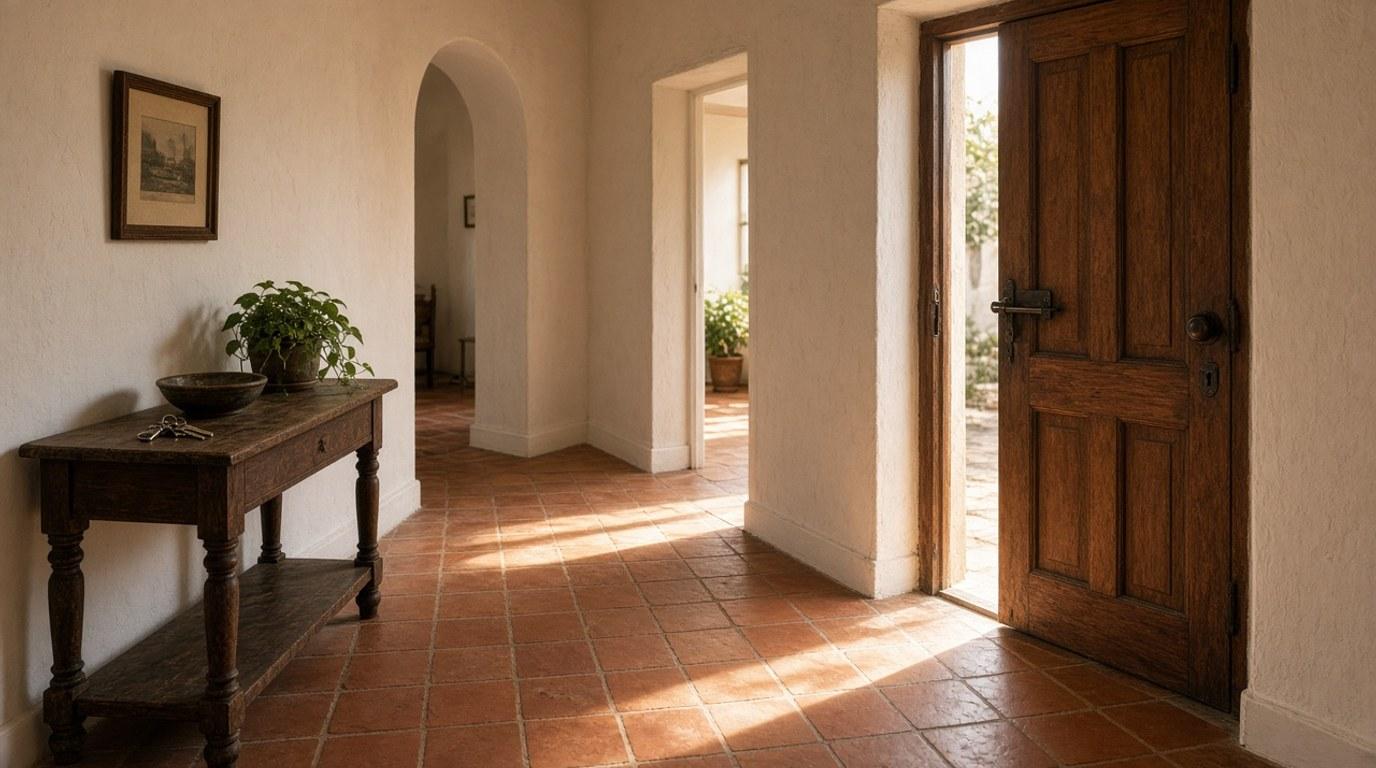
When you buy, rent or inherit a home in Spain, the electricity may already be on in someone else’s name, or it may be disconnected. Those are different jobs. A change of holder (cambio de titular) keeps the existing supply and puts the contract in your name. An alta, or reconnection, starts or restores supply at the meter. Neither is the same as later switching supplier, which you can do once the contract is yours.
This guide is for new arrivals, buyers and tenants, including English-speaking expats. WeSwitch can compare tariffs once there is a bill or a CUPS to work with. We do not invent a typical moving-in cost here.
First, work out which process you need
Stand in the property, or ask the seller, landlord or neighbour, and establish two facts: is the supply live, and whose name is on the current contract?
If the lights are on and there is an active contract, you usually need a cambio de titular. If the property has been dark for some time, if the previous occupant arranged a baja, or if the building is a new connection that has never been supplied, you need an alta or a reconnection. If the contract is already in your name and you only want a different retail company, that is a switch: use the how to switch guide.
Do not assume the estate agent or the previous occupant has already done the paperwork. Until the change is confirmed, do not assume their contract still covers you.
Cambio de titular vs alta: what is the difference?
If the lights are on and there is an active contract at the property, you usually need a cambio de titular. The meter, the CUPS and the contracted power stay as they are unless you ask for a change. The previous holder is taken off the contract; you become responsible for new bills. This is the common path when a tenant or buyer takes over a live supply.
A change of holder does not transfer unpaid bills from the previous occupant to you. The CNMC’s consumer guide is clear that the previous holder remains responsible for that debt, is billed up to the date of the change, and the new holder is billed after it. A private sale or rental agreement is a separate relationship from the retail electricity contract. You should still ask for a recent bill, so you have the CUPS and can see the current potencia. (CNMC, Cómo modificar las condiciones del contrato)
If the supply has been cut, or the property is a new build that has never been connected, you need an alta or a reconnection. That involves the local distributor (distribuidora) as well as a supplier, and it can require an electrical certificate (boletín or CIE). See weSwitch’s electrical certificate guides for when that document is needed, and how to get a certificate if you need to instruct an electrician.
The distributor is assigned by where the property is. You do not choose it. You do choose the supplier who will hold the new or transferred contract.
What you will need
Expect to be asked for:
- The CUPS, if the property already has one. It is on a recent bill, and sometimes on the meter paperwork or in the sale or rental pack.
- Your ID. A NIE or NIF is the usual document. If you have no NIE yet, ask the chosen supplier whether they will accept a passport; this is a company decision, not a single national rule.
- Proof that you have a right to occupy the property (purchase deed, rental contract, or similar), if asked.
- A bank account for direct debit. Ask the chosen supplier whether they will accept your IBAN, including if the account is in the UK or outside the SEPA area.
- For an alta or a long disconnection: a valid CIE or boletín, and any distributor forms the supplier requests.
If you cannot find a bill, the CUPS can sometimes be obtained from the meter documentation, the seller, the landlord, or the distributor’s customer channels. Do not invent one, and do not use a CUPS from a different property.
How much does an alta cost, and how long does it take?
The CNMC describes an ordinary cambio de titular as a straightforward, fast and free paperwork change rather than a works job. The same guide puts the usual timescale at between 1 and 20 working days, because the company waits for the billing period to close. The previous holder is billed up to the change, and the new holder after it. (CNMC, Cómo modificar las condiciones del contrato)
An alta or reconnection can include regulated distributor rights. The CNMC’s consumer guide, citing Annex V of Orden ITC/3519/2009, sets the low-voltage (up to 1 kV) fees, without VAT, at 19.703137 €/kW for derechos de acceso, 17.374714 €/kW for derechos de extensión, and 9.04476 € per action for derechos de actuación (enganche). VAT is added on top. Acceso and extensión apply when you take a new supply or increase power, and extensión only if the new power is above the extensión rights already in force (those rights last three years in low voltage). There may also be electrician costs if a new or updated CIE is required; the CNMC notes that a boletín more than 20 years old may have to be renewed. Ask the distributor what they need for a reconnection in your case. (CNMC guide; Orden ITC/3519/2009)
A change of holder usually takes between 1 and 20 working days (CNMC). A reconnection that needs a certificate or a distributor visit can take longer. Until the change is confirmed, do not assume the previous occupant’s contract still covers you.
If you are buying a new-build, the developer or the electrician may already have started the connection. Ask what has been filed, and in whose name the first contract will be, so you are not paying for a second alta you do not need.
Can I sign up without a NIE, or pay from a foreign account?
Ask the company you want to use whether they will start a domestic contract with a passport. Some will; some will not. If you will live in Spain, starting the NIE process early avoids a second change of holder later.
Direct debit from a foreign bank is a frequent expat question. Acceptance of a particular IBAN is the supplier’s decision. Ask before you assume a UK or other non-SEPA account will work. If a supplier cannot take your account, you will need another SEPA IBAN or a different supplier; do not leave the occupancy without a contract on the hope that a rejected mandate will somehow clear.
Choose the tariff once the supply is in your name
Moving in is a natural moment to choose a tariff, but only with real numbers. The previous occupant’s deal does not automatically follow you, and their usage may be a poor guide to yours. A family of five and a couple who winter elsewhere will not look the same on the same meter. Once you have a CUPS, or a first bill, upload it and compare energy and potencia against your likely use. Any saving depends on the property and the offer, not on a generic promise.
Check contracted power at the same time. Holiday homes and empty flats are often left on a higher potencia than they need. Lowering it is a separate request from a change of holder. The CNMC says contracted power may be modified every twelve months, although distributors often allow more than one change, especially for an increase. Reducing power in low voltage usually costs only the actuación/enganche fee of 9.04476 € plus VAT, independent of how many kW you drop (Orden ITC/3519/2009 Annex V, as set out in the CNMC guide). If you are doing an alta, the power you request at that moment is the one you will pay standing charges on, so it is worth thinking about it before the file is sent, using the holiday-home guide if the property will sit empty for part of the year.
Domestic customers can switch supplier at any time once the contract is theirs. WeSwitch comparisons use pre-tax standard advertised prices, without introductory discounts.
FAQ
How do I put the electricity in my name? If the supply is live, ask a supplier for a cambio de titular. If it is disconnected or new, you need an alta or reconnection, which may require a CIE.
Cambio de titular vs alta: what’s the difference? A change of holder keeps an existing live supply and changes the name. An alta starts or restores the supply.
How much does an alta cost? Regulated low-voltage fees, without VAT, are 19.703137 €/kW for acceso, 17.374714 €/kW for extensión and 9.04476 € per action for actuación/enganche (Orden ITC/3519/2009 Annex V, as set out in the CNMC guide). Acceso and extensión depend on the power you request and the rights already in force; electrician costs for a CIE are separate. VAT is added on top.
Can I sign up with a passport and no NIE? Ask the chosen supplier. Some will accept a passport; some will not.
Can I pay from a UK or EU bank account? Ask the chosen supplier whether they will accept your IBAN, including if it is in the UK or outside SEPA.
How long does it take? The CNMC puts a change of holder at between 1 and 20 working days. A reconnection that needs a certificate or a distributor visit can take longer.
Do I inherit the previous occupant’s unpaid bills? No. The CNMC states that the previous holder remains responsible for that debt. Always get the CUPS from a recent bill if you can.
Sources
- CNMC, Cómo modificar las condiciones del contrato: https://www.cnmc.es/sites/default/files/editor_contenidos/Energia/Consumidores/5.%20C%C3%B3mo%20modificar%20las%20condiciones%20del%20contrato.pdf
- Orden ITC/3519/2009, Annex V: https://www.boe.es/buscar/doc.php?id=BOE-A-2009-21173
- Existing weSwitch CIE / electrical-certificate guides: https://weswitch.energy/en/guides/electrical-certificate-spain